
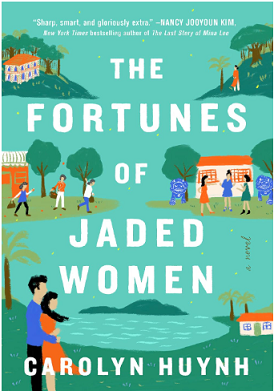
If you’re looking for a contemporary read that balances humor, emotional honesty, and cultural nuance, Carolyn Huynh’s The Fortune of Jaded Women is an engaging pick. At its heart, this novel is about the small, cumulative decisions that create a life—career choices, family compromises, and the romances we try (and often fail) to make work. Huynh writes with a blend of warmth and sharp observation that makes her protagonist immediately relatable: funny, wary, and tender in equal measure.
Overview The Fortune of Jaded Women centers on a Vietnamese-American woman in her thirties navigating the messy intersection of ambition, love, and cultural expectation. She’s been around the block enough times—professionally and romantically—to develop a dry, self-protective humor that readers will recognize as both armor and insight. The narrative follows her as she reevaluates what success means after a series of setbacks: stalled career progress, disillusioning relationships, and the pressure of family expectations that often run counter to her personal desires.
Rather than a sweeping saga, the novel is character-driven and episodic, composed of finely observed vignettes that together chart an arc of quiet reinvention. The protagonist’s inner life is the engine of the story: her reflections on identity, the small humiliations of modern dating, the compromises she makes for family, and the way friendships help her see herself more clearly. Huynh avoids melodrama; instead, she mines everyday moments for their emotional truth, creating a tone that is intimate, wry, and at times poignantly sincere.
Themes and Tone
- Cultural identity and generational expectations: The protagonist must reconcile her own ambitions with the well-meaning but insistent expectations of older generations. The novel explores how heritage shapes decisions around career, relationships, and notions of responsibility without reducing characters to cultural caricatures.
- Dating and disillusionment: Dating scenes are handled with a mix of comedic timing and frankness. The portrayal captures the surreal absurdity of modern romance—apps, mismatched expectations, and the quiet heartbreak of being overlooked—while also acknowledging the protagonist’s resilience.
- Friendship and chosen family: Rather than relying on a romantic partner for fulfillment, the book emphasizes existing friendships and the way they provide honesty, grounding, and often a mirror for growth.
- Reinvention and slow change: Huynh centers incremental change—an update to priorities, a new boundary, a decision to try again—as powerful and realistic forms of personal progress.
What to Expect
- A conversational narrative voice: Expect a narrator who speaks directly and wittily to the reader. The prose is accessible and often crisp, punctuated by observations that land with both humor and empathy.
- Emotionally honest scenes: The book balances light, laugh-out-loud moments with quieter, more reflective interludes. Emotional beats are earned through small, believable choices rather than contrived plot twists.
- Relatable, lived-in details: Huynh’s attention to everyday details—workplace dynamics, family dinners, awkward dates—grounds the book in a recognizable reality. These specifics give the story its authenticity.
- No overwrought endings: The conclusion is satisfying in an understated way. It leans into the theme that life rarely resolves cleanly; growth is often messy and incomplete, but meaningful.
Character Highlights
- The Protagonist: Smart, sardonic, and quietly searching. She’s more than a list of grievances; she’s a woman capable of tenderness and self-reflection who learns to recalibrate expectations without losing her wit.
- Family: The protagonist’s relatives are drawn with warmth and complexity. Huynh avoids easy villains; parental pressure and generational friction are depicted as products of love, fear, and differing lived experiences.
- Friends: The supporting cast is a highlight. Friends act as both confidantes and provocateurs—pushing the protagonist toward honesty and occasionally bad but necessary decisions. They bring levity and texture to the protagonist’s world.
- Romantic interests: These characters are varied—some sympathetic, some frustrating—each revealing different facets of the protagonist and the contemporary dating landscape.
Why This Book Resonates the Fortune of Jaded Women taps into a familiar contemporary malaise: the sense that adulthood is not the arrival at some perfected life but an ongoing series of adjustments. It’s a book for readers who appreciate character-first novels and thoughtful examinations of identity and belonging. The humor prevents the novel from becoming heavy-handed, and the emotional truthfulness keeps it from feeling merely light.
Huynh’s novel speaks particularly well to readers who have experienced the tension between cultural expectations and personal desires—whether through immigration stories, generational differences, or the push-and-pull of family loyalty. But its core themes—reinvention, the value of friendship, and redefining success—are universal. The protagonist’s journey toward a more honest, self-directed life offers a quiet, resonant kind of hope.
A Small Snippet of What to Expect (Tone and Example Scenes)
- Dating disarmament: Picture a scene where the protagonist sits through yet another painfully generic date. Instead of dramatic fireworks, the scene becomes a study in small humiliations—awkward silences, ill-fitting conversation topics, the protagonist’s internal commentary that turns discomfort into comedic gold. The result is both laugh-out-loud funny and painfully familiar.
- Family negotiations: Imagine a family dinner where the protagonist fields well-meaning but invasive questions about marriage and career. Rather than an explosive argument, the scene is textured with subtext—moments of tenderness, a shared joke that reveals love, and an uncomfortable pause that stands for years of unspoken expectations.
- Work reality check: In the office, the protagonist faces a stalled promotion or creative compromise. There’s no single dramatic confrontation—just a series of small disappointments and a choice point: stay on the path she’s been on, or pivot toward something riskier but truer to her values.
- Friendship as mirror: Several scenes showcase friends who are delightfully blunt, offering the protagonist truths she doesn’t want to hear. Their interventions are both comic and catalytic, nudging her toward self-reflection and change.
Reader Takeaways
- This book is for readers who enjoy character-driven contemporary fiction with strong emotional realism and wry humor.
- Expect a narrative less interested in major plot twists and more in the interior shifts that change how someone lives.
- The ending leans into realism: it isn’t perfect, but it feels earned, honest, and reassuring in a way that celebrates slow transformation.
Who Should Read It
- Fans of modern women’s fiction that blends humor and heart (think contemporary authors who probe the interior lives of thirty-something’s).
- Readers interested in multicultural perspectives and the nuances of navigating multiple cultural expectations.
- Anyone who appreciates novels that honor small, hard-won changes rather than dramatic epiphanies.
CONCLUSION: The Fortune of Jaded Women is a compassionate, witty portrait of a woman learning to value her own definition of success. Carolyn Huynh offers an observant and humane exploration of identity, love, and the quiet act of rebuilding a life on one’s own terms. It’s a warm, funny, and ultimately hopeful read for anyone who’s ever felt a little worn by adulating—and yet still hopeful enough to try again.